



State of Virtual Reality in 2025: What’s Changed, What’s New
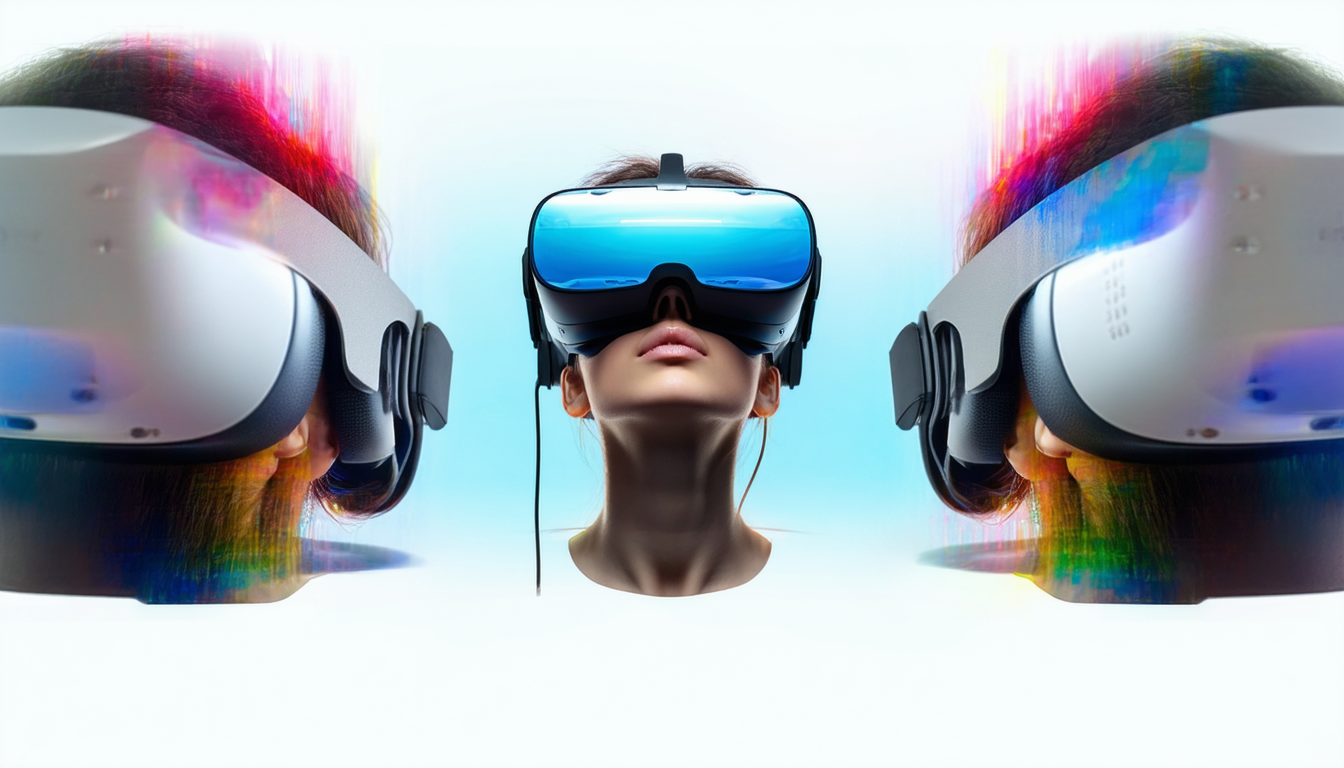
Virtual Reality has entered a fascinating new chapter. 2025 feels like a tipping point for adoption, innovation, and real-world use. Between powerful standalone headsets, rising mixed-reality features, smarter software, and booming market growth, VR is no longer a gadget for early adopters, it’s becoming a viable platform for gaming, training, education, and more.
VR Hardware: Lighter, Smarter, More Accessible
- Standalone headsets are leading the charge.
Devices like Meta’s recently released Meta Quest 3 and its budget-friendly sibling Meta Quest 3S offer impressive power, mixed-reality passthrough, and ease of use — all without needing a high-end PC. The Quest 3, in particular, helped redefine expectations for what a consumer VR headset can be. (TS2 Tech) - The market is growing fast.
According to recent projections, the global AR/VR headset market is expected to surge from about $16.9 billion in 2025 to almost $262 billion by 2034. That’s a compound annual growth rate of roughly 35.6% — a clear signal that businesses, developers, and consumers are seeing VR as a long-term investment. (GlobeNewswire) - New players and form factors emerge.
At CES 2025 and elsewhere, companies showed off innovative hardware, from high-resolution AR/VR waveguides to headsets optimized for enterprise, education, and creative work. (Auganix.org)
What this means for users: VR is becoming easier to access, more comfortable to wear, and increasingly versatile. You don’t need a powerful gaming PC, hundreds of dollars, or technical know-how, just a headset and the willingness to explore.
Software and Content: More Than Just Games
Where the Industry Is Heading
VR today isn’t limited to immersive shooters or simple simulations. The software ecosystem has matured dramatically. Here are some standouts:
- Creative, social, and educational experiences : Not all VR is about action. Apps like Virtuoso turn VR into a music-creation sandbox, letting users compose, layer, and perform in virtual space. (Wikipedia)
- Mixed-reality and spatial audio are leveling up : New standards such as MPEG‑I immersive audio are bringing realistic, spatial sound to VR and AR. That means when you walk through a virtual world, audio moves with you : footsteps echo, distant thunder rumbles, and environment noises shift realistically with your position. (TechRadar)
- Enterprise, education, and professional tools are rising : VR is no longer just for fun. Training, design, remote collaboration, and even scientific visualization are becoming realistic use cases. Software and hardware makers are expanding features that support productivity, learning, and remote work. (Algoryte)
The overall trajectory for VR is strong. According to market forecasts, demand for standalone headsets (the kind that don’t require external hardware) is increasing fast, driven by interest in gaming, entertainment, healthcare, remote work, training, and education. (GlobeNewswire)
That said, 2025 has also brought challenges: some analysts expect a temporary dip in headset shipments as the industry recalibrates after a surge in 2021–2024, with a rebound and big growth expected in 2026 and beyond. (Telecom Lead)
Meanwhile, software innovation, from AI-powered content generation, spatial audio, mixed-reality tools, to softer-entry educational and creative platforms — continues to broaden what VR can do beyond gaming. (Algoryte)(WiseGuy Reports)
💡 What All This Means for You (and for Us at Our VR Arcade)
- More choice, lower barrier to entry. With headsets like Quest 3/3S and new lower-cost devices arriving regularly, more people have access to VR than ever before.
- Better experiences. Higher resolution, spatial audio, mixed-reality passthrough, and more sophisticated software mean VR sessions look, feel, and sound more immersive, whether it’s for gaming, training, creative work, or learning.
- Opportunities beyond gaming. Education, workplace training, therapy, creative collaboration, and even social meetups: VR is becoming a home for real-world needs, not just entertainment.
- A growing ecosystem. As market demand and investment rise, more developers, more content, and better hardware will continue to drive the industry forward.
VR in 2025 is still evolving, but it’s no longer “next-gen.” It’s right now, and the evolving hardware and software show that VR has matured into a versatile platform capable of entertaining, educating, and empowering. Whether you’re playing, learning, collaborating, or just exploring a virtual world, there’s likely a headset and experience out there for you.